
Mathews County Arrest Warrant Issuance Rules
Virginia Code §§ 19.2-71 and 19.2-72 govern who may issue an arrest warrant. An authorized officer must examine the complainant under oath. Probable cause has to support the paper. A felony requires a written complaint. A magistrate cannot act on a private felony complaint alone, because Commonwealth's Attorney or law-enforcement authorization is required. In Mathews County, the District 9 magistrate, or a Circuit, General District, or JDR judge or clerk acting within its authority, can issue process. The issuing court and the officer who serves it hold two distinct jobs in Mathews County. Virginia Code § 19.2-72 spells out the oath, the probable-cause review, and what a warrant must contain.
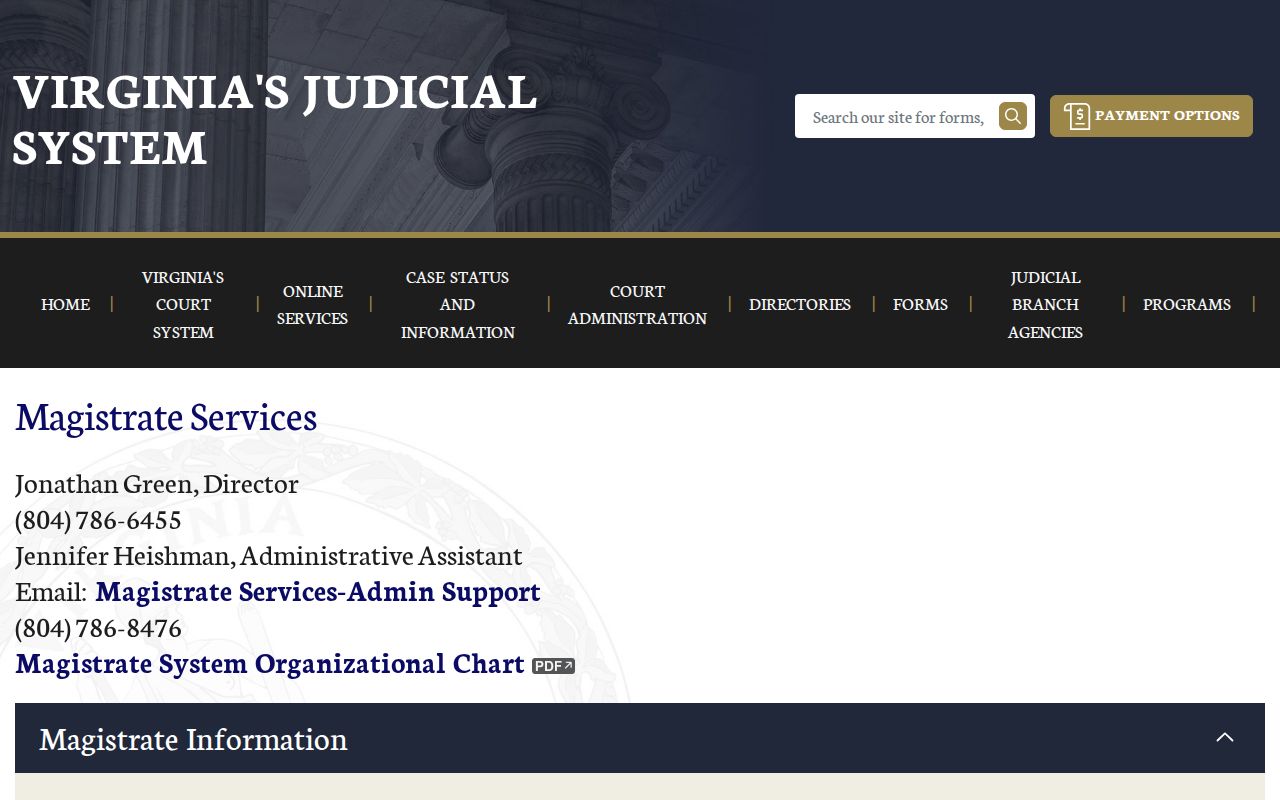
The magistrate is a judicial officer, not the agency that serves the warrant.
Mathews County Arrest Warrants Explained
An arrest warrant lets an officer take someone into custody. Probable cause, found by an authorized officer, comes first. Do not confuse it with a search warrant. That paper allows a search of a described place, person, or thing, and it offers no self-check for arrest process. Mathews County cases run on Virginia's state procedure. The warrant should name the accused or give a description, state the offense, direct the arrest, and say where the person must be brought. Public case records can leave out documents and details, so the clerk's file is fuller than any screen shows.
Mathews Magistrates and Court Issuers
Virginia magistrates review complaints and issue process. Judges and clerks do the same within their authority. The District 9 Mathews magistrate office is a separate route for issuance and bail questions. For an indictment capias or felony matter, contact Mathews County Circuit Court. Traffic and misdemeanor process belongs to General District Court. A JDR case may involve support, juvenile, domestic-relations, or adult criminal process. Go by the court named on your notice rather than assuming every warrant starts at the sheriff. The case clerk remains the source for docket status, and Virginia Magistrate Services explains the magistrate's role.
Inside a Mathews County Arrest Warrant
The warrant form and the case docket often differ. A public search may list the court and case number but not the sworn affidavit, the bond order, or the service status. Mathews County publishes no warrant-number pattern.
| Case number | Number on the court notice; no public Mathews pattern was found. |
|---|---|
| Named person | Name or identifying description, subject to access limits. |
| Charge / offense | The alleged offense described with reasonable certainty. |
| Issuing authority | Authorized court judge, clerk, or magistrate. |
| Bond / release | Case-specific terms may appear in a separate order or docket event. |
| Issue and return | Date issued and service or return details where exposed. |
Mathews County Warrant Service and Return
The Mathews County Sheriff's Office executes county process. Virginia State Police also appear in the Mathews County traffic court schedule. Any authorized officer may execute Virginia process within jurisdiction. The sheriff's website posts a main office number, though no separate public warrant line. After service, Virginia Code § 19.2-76 requires the executing officer or jail officer to note the execution and return it to a judicial officer. Arrested outside the trial locality? The statute then sets a prompt path to a judicial officer and a bail hearing. Virginia Code § 19.2-76 explains execution and return.
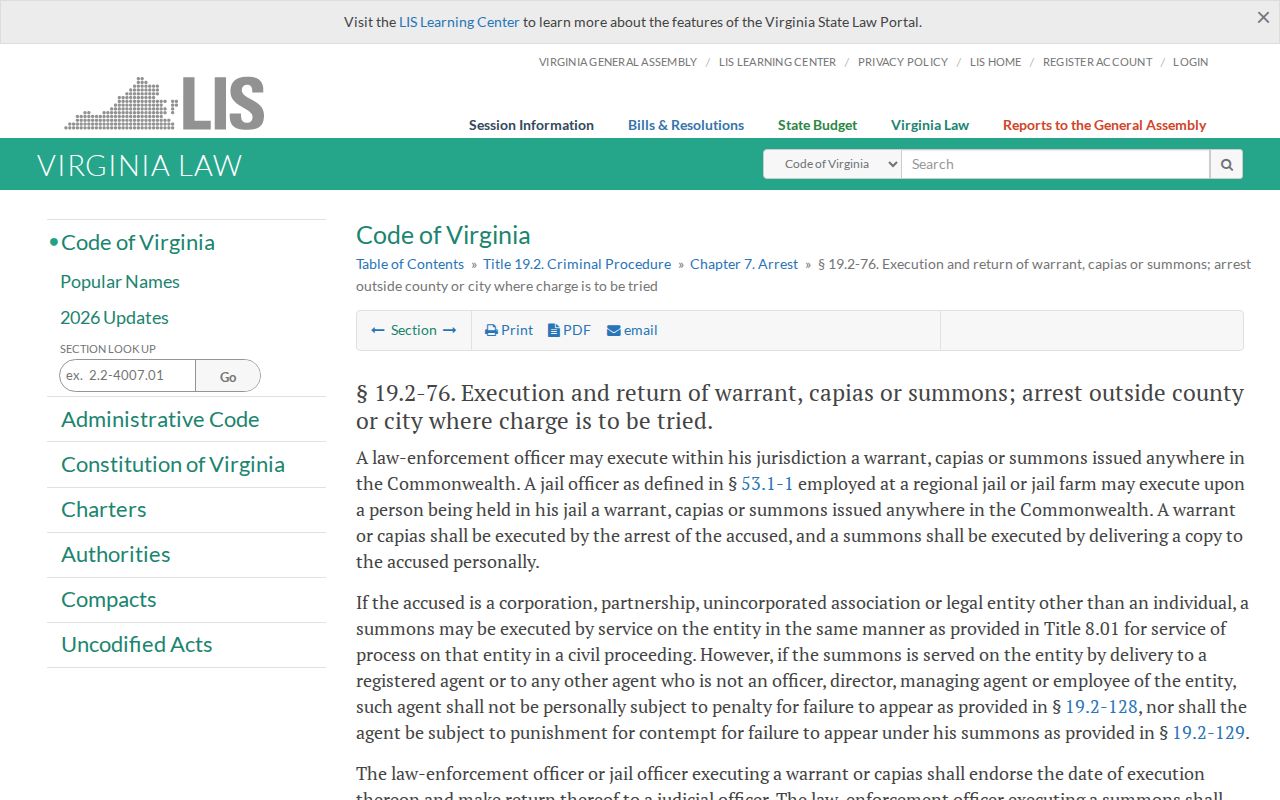
A Mathews County court return records what happened to the process, which is distinct from the outcome of the underlying charge.
Serving Arrest Warrants in Mathews County
Serving an arrest warrant means arresting the accused. The Mathews Sheriff's Office handles county process. State and other authorized officers may act under Virginia law. The Middle Peninsula Regional Security Center in Saluda holds Mathews County arrestees. After arrest, the person goes before a judicial officer for bail or commitment, unless a summons procedure applies. Call the sheriff or the magistrate before planning a voluntary appearance. The public pages promise neither a walk-in process nor immediate release. The regional facility contact page lists the Saluda location and phone.
Mathews County Warrant Issuance to Return
A warrant in Mathews County runs from complaint to return. It starts with a complaint or a court event. An authorized judicial officer reviews it. The court records the warrant, and an officer serves it or reports the result. A judge or magistrate then handles bail or appearance, and the issuing court decides whether to recall the process or let the case continue. Some Mathews County cases move from General District Court to Circuit Court after preliminary proceedings. Arrested on another locality's warrant? The same return and transfer rules apply. The Circuit Court's official forms index lists court paperwork, including capias-related forms.
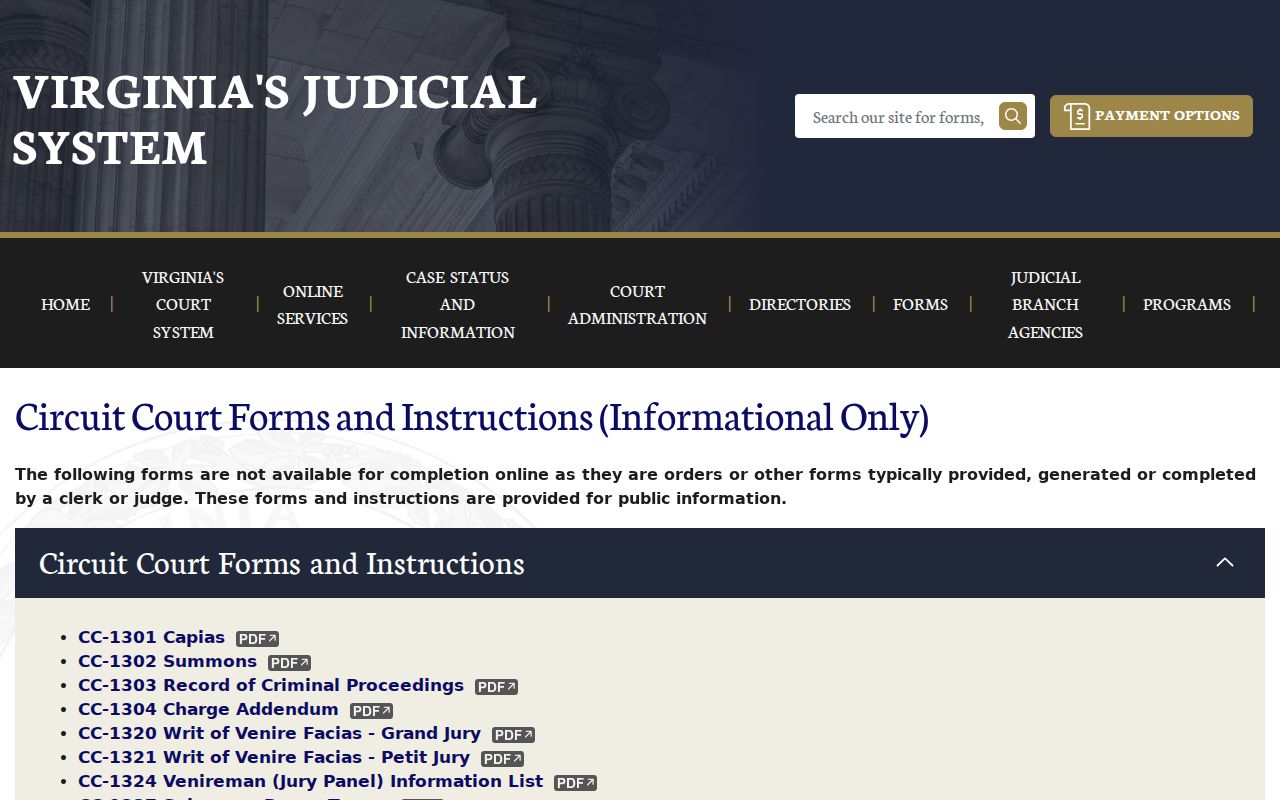
The index lists forms only, never a particular Mathews County case or its current status. Note: Process steps vary by case and court; confirm the latest docket event and appearance instructions with the clerk before acting.
Comparing Arrest, Summons, and Bench Warrants
An arrest warrant follows a probable-cause review. A summons orders an appearance without arrest. A bench warrant, or capias, answers a missed court obligation in Mathews County, and the docket term tells you which one you face, so verify it with the issuing clerk.
| Feature | Arrest Warrant | Summons | Bench Warrant |
|---|---|---|---|
| What it directs | Arrest and appearance before a court | Appear at a stated time and place | Arrest or appearance after noncompliance |
| Basis | Sworn complaint and probable cause | Authorized notice to appear | Missed date or court obligation |
| Issuer | Authorized judge, clerk, or magistrate | Court or authorized officer | Issuing court |
| Next step | Confirm status and bond | Attend the listed date | Ask about recall, appearance, or bond |
Federal Warrants Are Outside Mathews County Search
Federal warrants live outside the Virginia state court system. Mathews County sits in the Eastern District of Virginia. Federal warrant questions belong to the federal court, the U.S. Marshals Service, or your lawyer. Even the public docket may stay silent on a sealed warrant until it is served. PACER sells docket access, not a warrant roster. CourtListener's RECAP files are a contributed subset and far from complete. A Mathews County state case still runs through the local issuing clerk. Federal process goes to the office your counsel or the court names. The Newport News federal courthouse page gives contact and entry details.
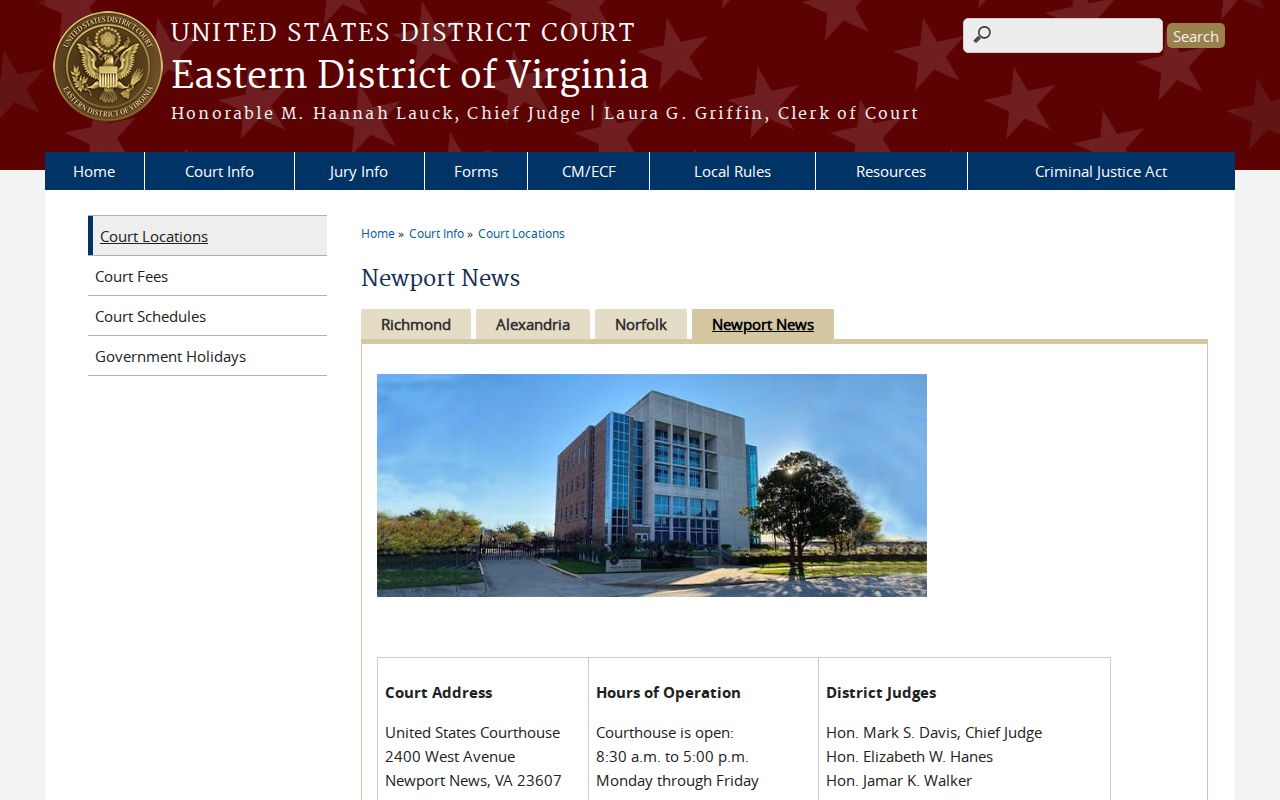
Federal records follow a separate access and courthouse process from Mathews County state cases. PACER's official pricing page explains docket access charges and waivers.
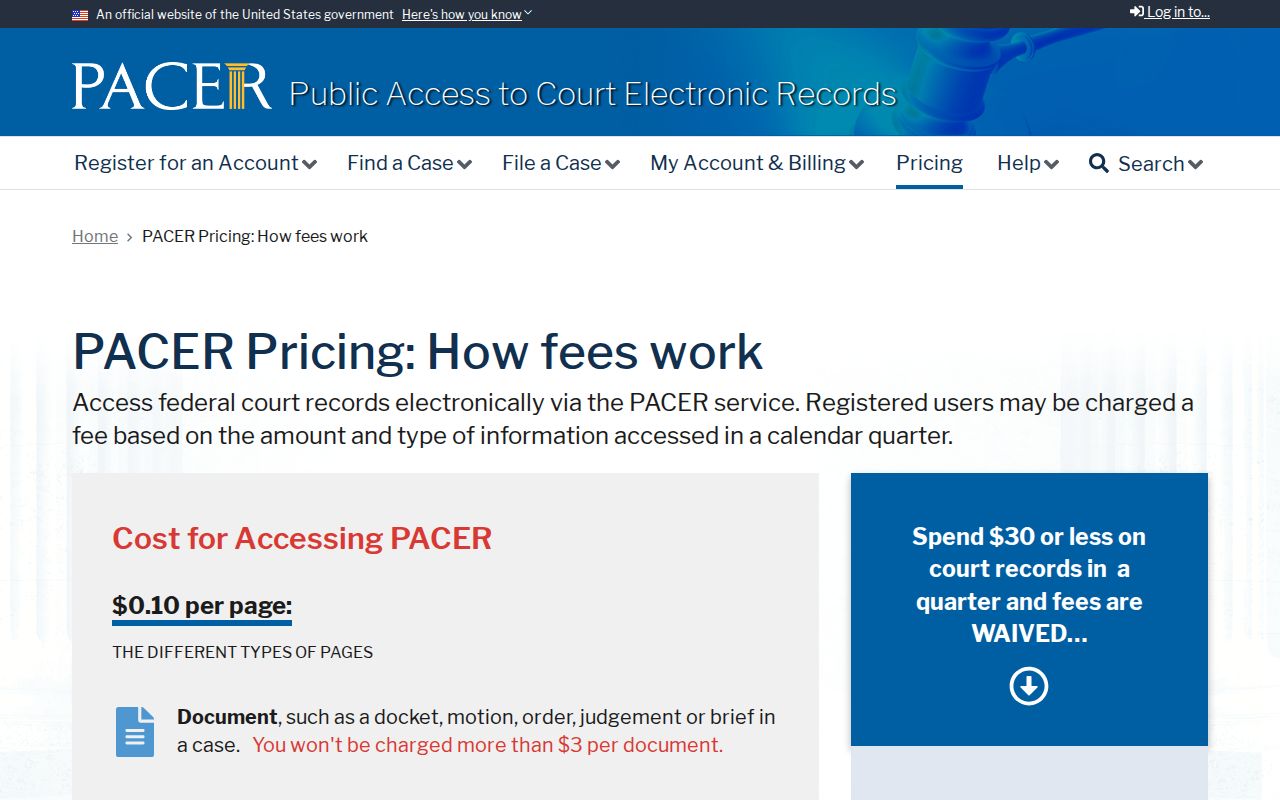
A federal docket result is not a warrant-status confirmation.
If There's an Arrest Warrant for You
Check the official case system first. Then call the issuing clerk. The clerk can confirm the warrant, the bond, and the appearance terms. A Virginia attorney can pursue a recall motion, a scheduled appearance, or a voluntary walk-through if the court allows one. Mathews County publishes no walk-in surrender policy or bond amount. If an arrest happens, Virginia law requires prompt presentation to a judicial officer when the warrant process applies. Ask for the bail order and the next date, then verify any later change with the issuing clerk. A release does not end the underlying case. The Mathews County overview covers the county's general resolution steps.
Important: Confirm the warrant and bond with the issuing court, and consult an attorney before arranging surrender or a court appearance.